
How to Choose the Right Pickleball Paddle: A Complete Guide
Choosing a pickleball paddle is no longer simply about picking a shape and adding a logo.
Today's paddles are available with different core technologies, surface materials, thicknesses, shapes, weights and construction methods. For players, the right combination can make a noticeable difference in power, control, spin and overall feel. For brands developing their own paddle line, the decision is even more important.
At TPU SPORTS, we work with brands and sports businesses on OEM and ODM pickleball paddle development. Based on our experience, the best paddle is not necessarily the one with the most expensive material. It is the one that matches the target player and intended use.
Here are the key factors to consider.
1. Start With the Player
Before selecting materials or specifications, define who will use the paddle.
Are you developing a paddle for:
Beginners
- Recreational players
- Advanced players
- Competitive players
- Tournament use
- You should also consider whether the target player prefers:
More power
- More control
- More spin
- Faster maneuverability
- A softer or firmer feel
- This is the foundation of paddle development.
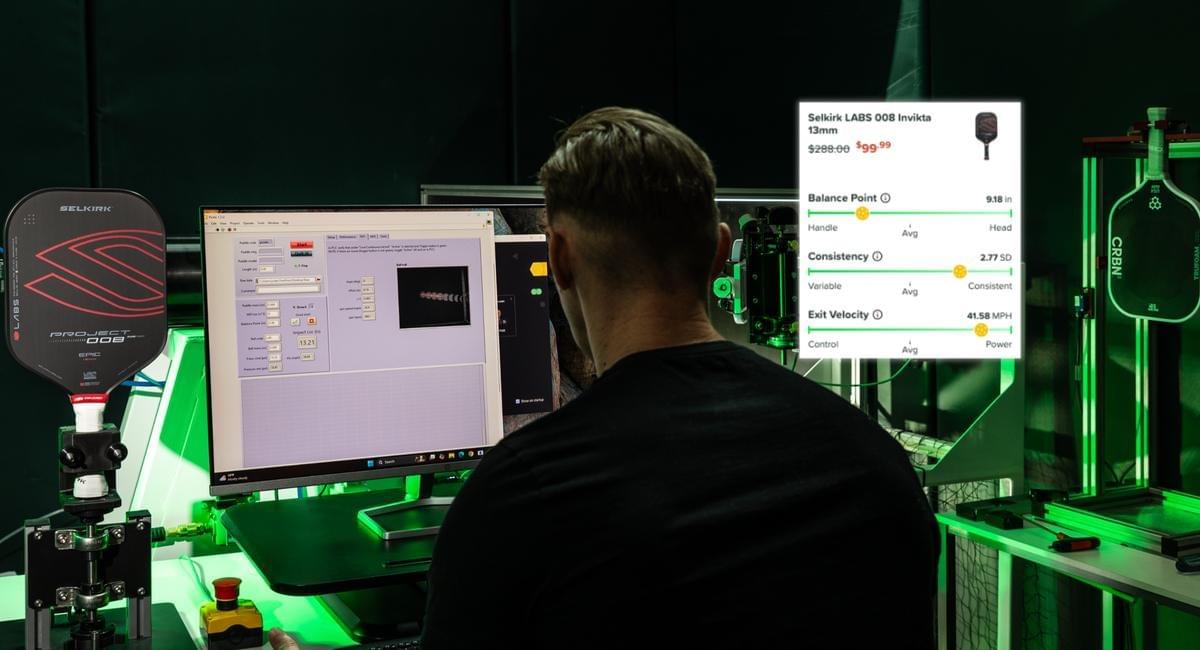
A paddle designed for an aggressive player may have very different specifications from one designed for a control-oriented player.
2. Choose the Right Paddle Core
The core has a major influence on how a paddle feels and performs.
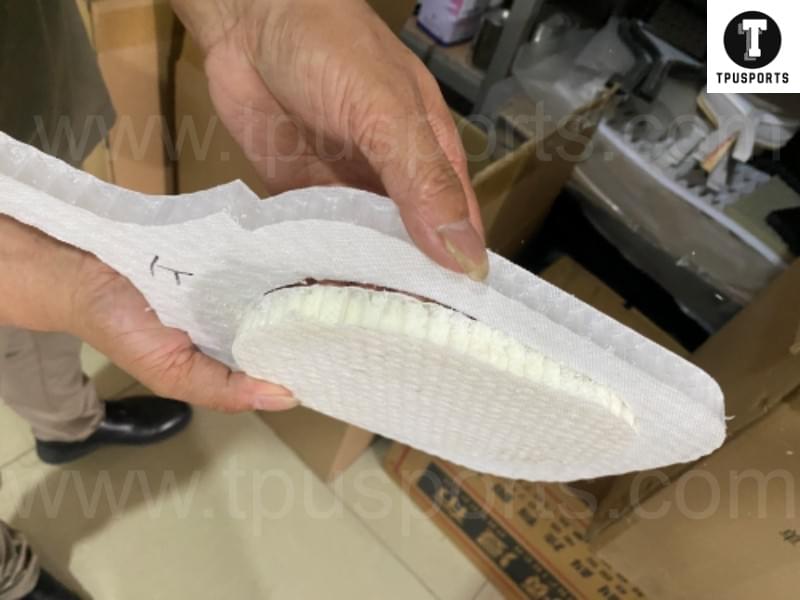
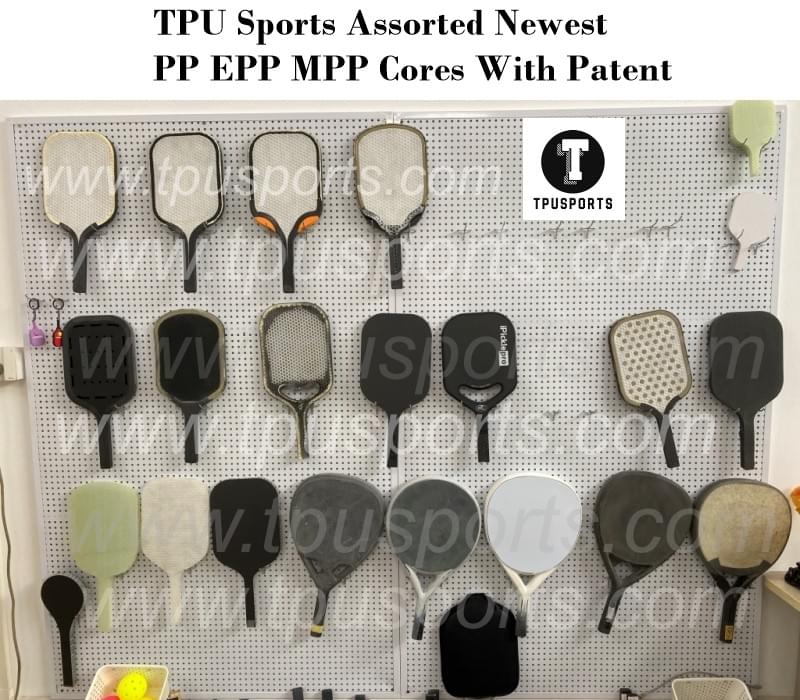
Common pickleball paddle core technologies include:
PP Honeycomb Core
PP honeycomb has been used in pickleball paddles for many years.
Its lightweight cellular structure offers a practical balance of weight, performance and production cost, making it suitable for a wide range of recreational and value-oriented paddles.
EPP Core
EPP stands for Expanded Polypropylene.
Compared with traditional PP honeycomb construction, EPP uses an expanded closed-cell structure and can be engineered for different combinations of power, stability, durability and feel. EPP is increasingly used in performance-oriented paddle development.
MPP Hybrid Core
MPP hybrid constructions can combine different core characteristics to achieve specific performance targets.
The actual performance depends on the core structure, density, thickness and how it is integrated with the paddle's surface and bonding system.
There is no single core that is best for every player. The right choice depends on the product's positioning and performance goals.
The paddle surface directly interacts with the ball, so surface construction is an important part of product development.
Common materials include:
T700 Carbon Fiber
T700 carbon fiber is widely used in performance-oriented composite sporting goods.
It can provide a lightweight and responsive surface and is commonly selected for paddles targeting advanced players.
Kevlar / Aramid Fiber
Kevlar, also known as aramid fiber, is known for its high strength and toughness.
It can be used independently or combined with carbon fiber to create a hybrid paddle surface.
Titanium Composite
Titanium composite constructions can provide another option for brands looking to develop a differentiated paddle design.
The final playing characteristics depend on the specific titanium layer, composite structure, bonding process and core.
Hybrid Carbon Fiber Structures
Combining materials such as carbon fiber and Kevlar allows manufacturers to tune the paddle's characteristics rather than relying on one material alone.
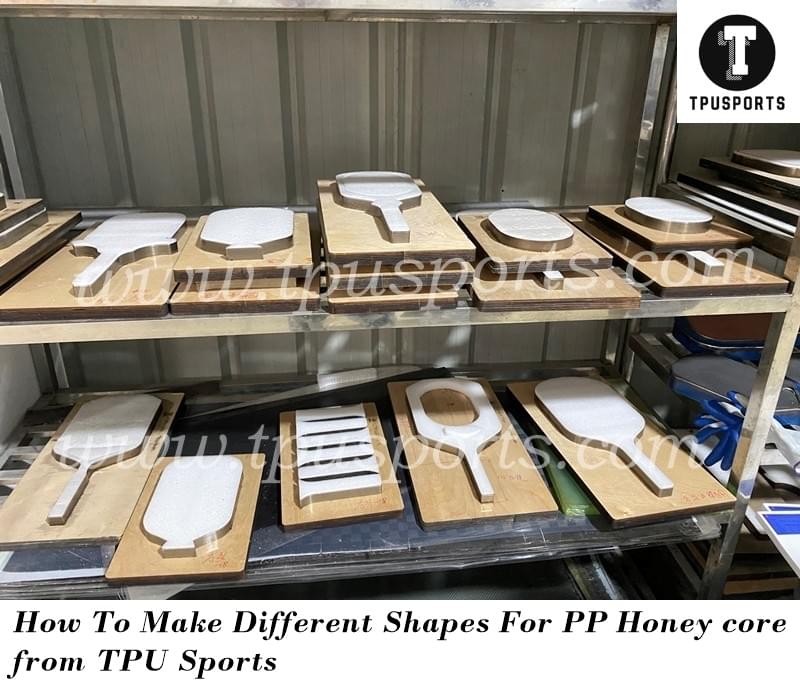
4. Consider Paddle Shape
Paddle shape affects reach, hitting area, maneuverability and balance.
Wide-Body Paddle
A wider shape generally provides a larger hitting area and can be suitable for players who value stability and forgiveness.
Elongated Paddle
An elongated paddle provides additional reach and leverage and is often selected for players who prefer a longer paddle profile.
Hybrid Shape
A hybrid paddle combines characteristics of wider and elongated designs, offering a balance between hitting area, reach and maneuverability.
For OEM brands, shape is also an important part of product identity and differentiation.
5. Choose the Right Thickness
Common pickleball paddle thicknesses include:
13mm | 14mm | 16mm
Thickness can influence power, control, stability and overall feel.
A thinner construction can be developed toward a more responsive and powerful feel, while a thicker paddle can provide greater stability and a more controlled response.
However, thickness should never be evaluated alone.The core, surface material, paddle shape, weight and construction method all work together.
6. Weight Is Only Part of the Story
Many buyers focus on total paddle weight. But weight distribution is equally important.
For example, two paddles can have the same total weight but feel completely different during a swing because their weight is distributed differently.
A typical performance paddle may fall around: 220–240g
However, the ideal weight depends on the target player and overall construction.
7. Don't Ignore Paddle Balance
Balance describes how the weight is distributed throughout the paddle.
A more head-heavy paddle can provide additional stability and leverage, while a more evenly balanced design can feel easier to maneuver. This is particularly important for brands developing paddles for advanced players. Total weight tells you how heavy the paddle is. Balance helps explain how that weight feels during play.
8. Power vs Control
One of the most common questions buyers ask is:
Should I choose a power paddle or a control paddle? The answer depends on the player's style.
Power-Oriented Paddle
Generally designed around:
Stronger impact response
- Higher power output
- Faster drives
- More aggressive play
- Control-Oriented Paddle
Generally focused on:
- Touch
- Stability
- Placement
- Dinks
- Drops
- Soft-game performance
- Many modern paddles are designed to balance power and control rather than maximize only one characteristic.
9. What About Spin?
Spin performance depends on more than simply choosing carbon fiber.
It can be affected by:
- Surface material
- Surface texture
- Friction characteristics
- Paddle construction
- Ball contact
- Player technique
- Raw carbon fiber surfaces are commonly used in performance paddle development where spin is an important product feature.
For brands, the goal should be to develop a surface that delivers consistent performance rather than simply following the latest material trend.
10. Thermoformed vs Cold-Pressed Paddles
Construction technology is another important consideration.
Thermoformed Paddle
Thermoforming uses heat and pressure to form and integrate the paddle structure.
This construction can provide strong structural integration and allows manufacturers to develop specific performance characteristics.
Cold-Pressed Paddle
Cold-pressed paddles are generally assembled through adhesive bonding without the same thermoforming process. Both technologies can be used successfully. The better choice depends on the product's target price, performance requirements and manufacturing specifications.
What Should Brands Consider When Developing a Pickleball Paddle?
For an OEM or private label project, we recommend looking at the paddle as a complete system rather than choosing individual materials separately.
A typical development process includes:
Target Player → Paddle Shape → Core → Surface → Thickness → Weight → Balance → Grip → Prototype → Testing → Final Production
Changing one specification can affect other parts of the paddle.
For example, changing the core may affect weight, rebound and feel. Changing the surface construction can affect stiffness and response. Changing the shape can affect balance and swing characteristics.
This is why prototype testing is an important part of professional paddle development.
Common Mistakes When Choosing a Pickleball Paddle
1. Choosing materials only because they are expensive: A higher material cost does not automatically mean better performance for every player.
2. Copying another paddle: A specification that works for one brand may not be suitable for another target market.
3. Focusing only on weight: Balance and swing weight can be equally important.
4. Ignoring the core: The core is one of the most important components influencing paddle performance.
5. Moving directly into mass production: Testing prototypes first can help identify problems before committing to a larger production quantity.
How TPU SPORTS Supports OEM Pickleball Paddle Development
TPU SPORTS provides OEM and ODM pickleball paddle manufacturing for brands, distributors, retailers, clubs and sports businesses. Our development capabilities include:
- T700 carbon fiber paddles
- Kevlar / aramid fiber paddles
- Titanium composite paddles
- EPP core paddles
- PP honeycomb paddles
- Thermoformed paddles
- Custom paddle shapes
- Custom weight and balance
- Custom grips
- Custom graphics and branding
- Private label packaging
- Prototype development
- Mass production
- Our goal is not simply to manufacture a paddle with a customer's logo.
We work with customers to develop a specification that fits their target players, market positioning and price level.
Final Thoughts
Choosing the right pickleball paddle is a combination of materials, construction, specifications and player requirements. There is no single paddle configuration that is perfect for everyone.
For players, the right choice depends on playing style and personal preference.
For brands, the process starts with understanding the customer and then building the paddle around those requirements. The best paddle is not necessarily the one with the most technology. It is the one with the right technology for the right player.
Start Your Pickleball Paddle Project
Are you developing your own pickleball paddle brand?
TPU SPORTS can help you move from concept and prototype to OEM production, including paddle shape, core, surface material, thickness, weight, balance, grip and packaging.
Contact TPU SPORTS to discuss your requirements and develop your next pickleball paddle.
Website: www.tpusports.com
OEM / ODM: Pickleball Paddle • Pickleball Ball • Pickleball Net
---------------------------------------------------------------------------------------------------
FAQs
1. What is the best pickleball paddle material?
There is no single best material for every player. T700 carbon fiber, Kevlar, fiberglass and hybrid composite surfaces can all be developed for different performance and price requirements.
2. Is EPP better than PP honeycomb?
Not necessarily. EPP and PP honeycomb have different structural characteristics and can be designed for different performance targets. The right choice depends on the intended player and product positioning.
3. What is the best pickleball paddle thickness?
13mm, 14mm and 16mm are common options. The best thickness depends on the desired combination of power, control, stability and feel.
4. What is the best pickleball paddle weight?
There is no universal ideal weight. Many performance paddles are developed around 220–240g, but the final specification should be based on the target player and paddle construction.
5. Can I customize a pickleball paddle with my own brand?
Yes. TPU SPORTS provides OEM and private label pickleball paddle development, including paddle shape, materials, core, thickness, weight, grip, graphics and packaging.
6. Can TPU SPORTS manufacture custom pickleball paddles?
Yes. TPU SPORTS provides OEM and ODM pickleball paddle manufacturing from prototype development through mass production.